The word Ugadi is derived from two different words; ‘Yuga’ that means ‘age’ in Sanskrit and ‘Adi’ that means ‘beginning in both Sanskrit and Kannada. This festival celebrates the New Year in Karnatake. This day is also known as Chandramana Ugadi and refers to the beginning of the New Year according to the Hindu Lunar calendar that usually falls in the months of March and April (as per the Gregorian calendar). This auspicious day involves religious observances and customers. It is customary for people to shop heavily during the months preceding Chaitra (the first month in the Hindu calendar).This day is celebrated with fervor and is also regarded as the herald of the harvest season.
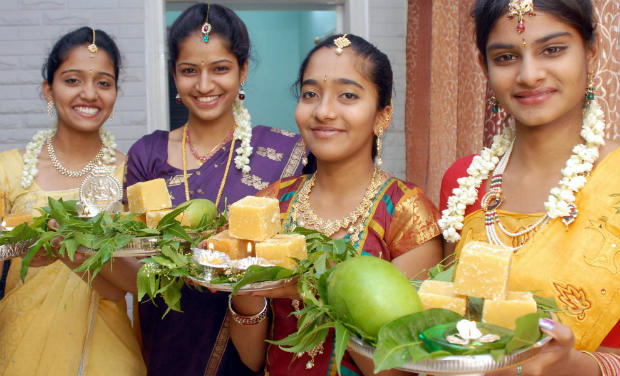
Girls participating in Ugadi celebrations with Bevu Balla (Neem and Jaggery) in their hands.
Background
Among the few legends associated with Ugadi, there is one pertaining to Brahma that is widely popular. It is believed that Lord Brahma began creating the world on this day and Ugadi refers specifically to the Yuga in which the current generation lives i.e. the Kalyug. It is also referred to as Chaitra Suddha Paadyami according to Hindu religious texts.
Ugadi also coincides with the onset of spring and the harvest season. This day is also considered highly auspicious to start new ventures. However, all business transactions are carried out after certain religious observances that are said to bring good luck, wealth and prosperity to believers.
The Celebration
Before the beginning of Chaitra, people clean and whitewash their homes and decorate temples as well as the deity rooms in their homes with jasmine flowers and mango leaves.
To start the celebrations, the entire household wakes up before dawn and take a head bath after massaging the whole body with sesame oil and wear new, traditional clothes. The idols of gods and goddesses within the house are then bathed in oil too, after which prayers and offerings of neem flowers, mango and tamarind are given up. The elderly women in the family then apply oil and vermilion to the forehead of the younger members following which all members of the family watch their reflection in a vessel of molten ghee.
The entire family worships the Panchanga or the new Hindu almanac which is read for the first time. It is believed that special blessings are bestowed on those who read and listen to the Panchanga. The temple priest or whosoever is reading the Panchanga needs to be given gifts of thanks in the form of new clothes.
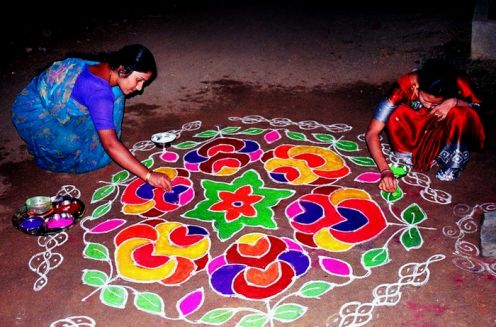
The “Indra Dhwaja”, which is meant to bring in rain, Is worshiped which is also a feature of Gudi Padwa, Maharashtra’s New Year. Devotees decorate their front door with red earth and a string of mango and neem leaves. The entrance is also decorated with Rangoli in white chalk although colored powder can also be used to fill the outlined figure.
There is a special type of food item that is prepared for this occasion and is called the Bevu Bella. The preparation is a mix of Neem flowers or buds, jaggery, green chilies, salt, tamarind juice and un-ripened mango that symbolizes the mixture of happy, sad, infuriating, fearful, disgusting and surprising events in life.
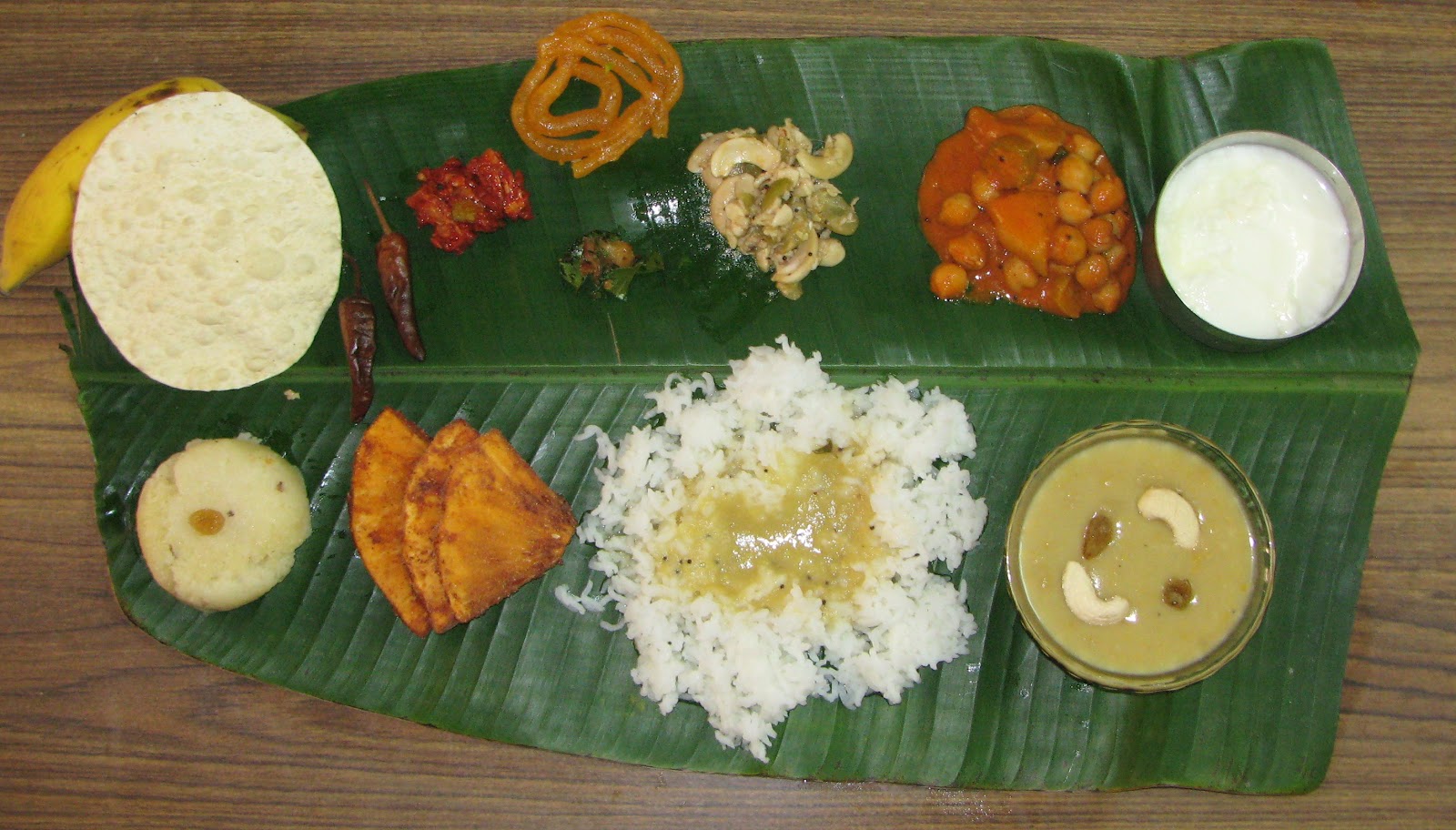
Special meals
Meals are first offered to the gods before the family eats them. The rest of the day is spent in visiting temples, offering prayers and celebrating with family and friends.
Style and Variety
In preparation for the New Year, men and women in Karnataka buy new clothes and ornaments for this day. Traditionally, the men dressed in a white or off-white linen shirt paired with a cotton lungi or long loin cloth that is embellished with gold zari. While visiting the temple, men also don the Angavastram, which is a rectangular cloth of a similar color and embellishment. In recent times however, men prefer wearing new shirts and trousers. Both attires are completed with a gold chain with a gold wrist watch to match.
Women wear opulent clothes during this day such as brocade sarees like Bangalore silk or Kanjivaram in rich colors with thick gold zari borders. They accessorize by adorning their hair with jasmine flowers. Jewelry consists of pure gold necklaces, earrings, and bangles in traditional motifs.
Even the young girls in the family dress elaborately in silk lehenga cholis. The ensemble is completed with strings of jasmine flowers in the hair and jewelry such as pearl necklaces, maang tikkas and gold earrings.
A more contemporary style of this is when women and young girls also wear cotton sarees in traditional gold zari designs or colorful thread work. The accessories are also contemporary in terms of sporting costume jewelry.
Celebration of the Kannada New Year Ugadi
Ugadi ushers in a celebratory mood in the states of Karnataka, Andhra Pradesh, and Telangana. For the people of these states, Ugadi symbolises the beginning of the New Year as per the Hindu calendar. It is an occasion that is traditionally celebrated with day-long festivities. People undertake new ventures during Ugadi as it is considered to be an auspicious time for doing so.
Date of Ugadi celebration
Ugadi falls on the first day of Chaitra, which is the first month in the traditional Hindu calendar. In the Gregorian calendar, it usually falls in the month of March or April. It is the time of the year when New Year’s Day is also celebrated in Maharashtra, West Bengal, Tamil Nadu, Assam, and Punjab.
Origin of the term ‘Ugadi’
Ugadi is believed to have originated from the Sanskrit word Yugadi. The term Yugadi is the merger of two words, Yuga (meaning period or age) and Adi (meaning the beginning). So, Ugadi or Yugadi literally translates to ‘the commencement of a new period or new age’.
Beliefs associated with Ugadi
According to popular beliefs, Ugadi has an age-old association with mythology. Legend has it that Lord Brahma began the creation of the universe on the Ugadi day. He then went on to create days, weeks, months, and years in order to keep track of time. Thus, Ugadi is believed to be the first day of the creation of the universe.
Significance of Ugadi
The occasion of Ugadi holds a lot of significance in the lives of the people, which stems from ancient beliefs and practices. The fact that Ugadi is still celebrated with so much fervour and enthusiasm goes on to show its relevance even in today’s time and age.
Spiritual Significance of Ugadi: Since it’s believed that Brahma started the creation of the universe on this auspicious day, Ugadi is celebrated to acknowledge his work. One of the names of Lord Vishnu is Yugaadikrit, which means the creator of the Yugas or ages. He is worshipped on this day for this reason.
Astronomical Significance of Ugadi: As per the lunisolar calendar, Ugadi marks the day on which a new astronomical cycle gets into motion. The tilt of the earth enables the northern hemisphere to receive the maximum amount of sunlight for a period of 21 days that starts on the Ugadi day. It signifies a period when the earth starts to recharge itself for a new beginning with the help of Sun’s energy. Ugadi marks the start of the earth’s energising period.
Significance of Ugadi in Nature: It is the time of the year that heralds in the spring season. With the advent of spring, Mother Nature wakes up from her reverie and gives birth to new shoots, leaves, and plants. A blanket of greenery starts to cover the earth and everything in nature seems to adorn a new look. Ugadi marks the regeneration of Mother Nature. The spring festival of Vasanta Navratri also commences on this day and continues for nine days before concluding on Ram Navami.
Psychological Significance of Ugadi: A fresh beginning is the essence of human life as well as the occasion of Ugadi. Just as the trees and plants unfurl new leaves during spring, Ugadi marks the unfurling of new hopes and expectations in human lives. The occasion is all about leaving behind the past and starting anew with fresh expectations and a positive frame of mind. Ugadi not only signifies the start of a new year, it also signifies the beginning of a new phase in a person’s life.
Preparations for Ugadi
A lot of preparations are carried out to celebrate the festival. The preparations generally begin a few days in advance. People clean and wash their houses for the occasion. New clothes are bought to be worn on that day. To celebrate the spirit of Ugadi, several other items are purchased and kept ready by the people. They make preparations for the special cuisines to be cooked on the day.
Celebration of Ugadi
The celebration of Ugadi is marked by enthusiasm and cheerfulness. On the special day, people wake up before sunrise and get ready after taking a ceremonial oil-bath, as it is a prevalent custom for Ugadi. Even the idols of gods and goddesses are given an oil-bath on this day.
Temples, homes, and shops are decorated with flowers and mango leaves, specially the entrances. Making colourful floral patterns or rangolis in front of the houses is a common practice on the day.
Family members dress up in new clothes and gather to worship and pray together on this day. Prayers are offered to the Sun God before consuming Bevu Bella, a dish that holds much significance in Ugadi celebrations. People visit temples to make offerings and seek blessings from the Almighty and start the New Year on a happy and positive note.
Special dishes are cooked for the occasion and enjoyed by families. Sweets and eatables are shared with friends and neighbours.
An important aspect of the occasion is the Panchanga Shravanam or hearing of the Panchanga. It is read by the priests at the temples or by the eldest member of the family at home. On this day, based on the moon sign, predictions and annual forecasts for the New Year are also made by the learned pandits and astrologers.
Starting of new ventures on the day
Many new ventures are started on Ugadi. People commence the construction of their new houses, undertake new business endeavours, make important purchases, and sign deals on this significant day.
' x='0' y='0' height='100%25' width='100%25' xlink%3Ahref='data%3Aimage/jpeg;base64,/9j/4AAQSkZJRgABAQAAAQABAAD/2wBDABALDA4MChAODQ4SERATGCgaGBYWGDEjJR0oOjM9PDkzODdASFxOQERXRTc4UG1RV19iZ2hnPk1xeXBkeFxlZ2P/2wBDARESEhgVGC8aGi9jQjhCY2NjY2NjY2NjY2NjY2NjY2NjY2NjY2NjY2NjY2NjY2NjY2NjY2NjY2NjY2NjY2NjY2P/wAARCAAGAAkDASIAAhEBAxEB/8QAFgABAQEAAAAAAAAAAAAAAAAAAAIE/8QAHhAAAgIBBQEAAAAAAAAAAAAAAQMAAgQTFiFRU5H/xAAVAQEBAAAAAAAAAAAAAAAAAAAEBf/EABoRAAICAwAAAAAAAAAAAAAAAAECAAMRISL/2gAMAwEAAhEDEQA/AM2FlJyKrXVIDWjTuCAKcdSNuK97fIiSLGNbcxb7AzP/2Q=='%3E%3C/image%3E%3C/svg%3E)


Hii
ReplyDeleteHiiij
ReplyDelete